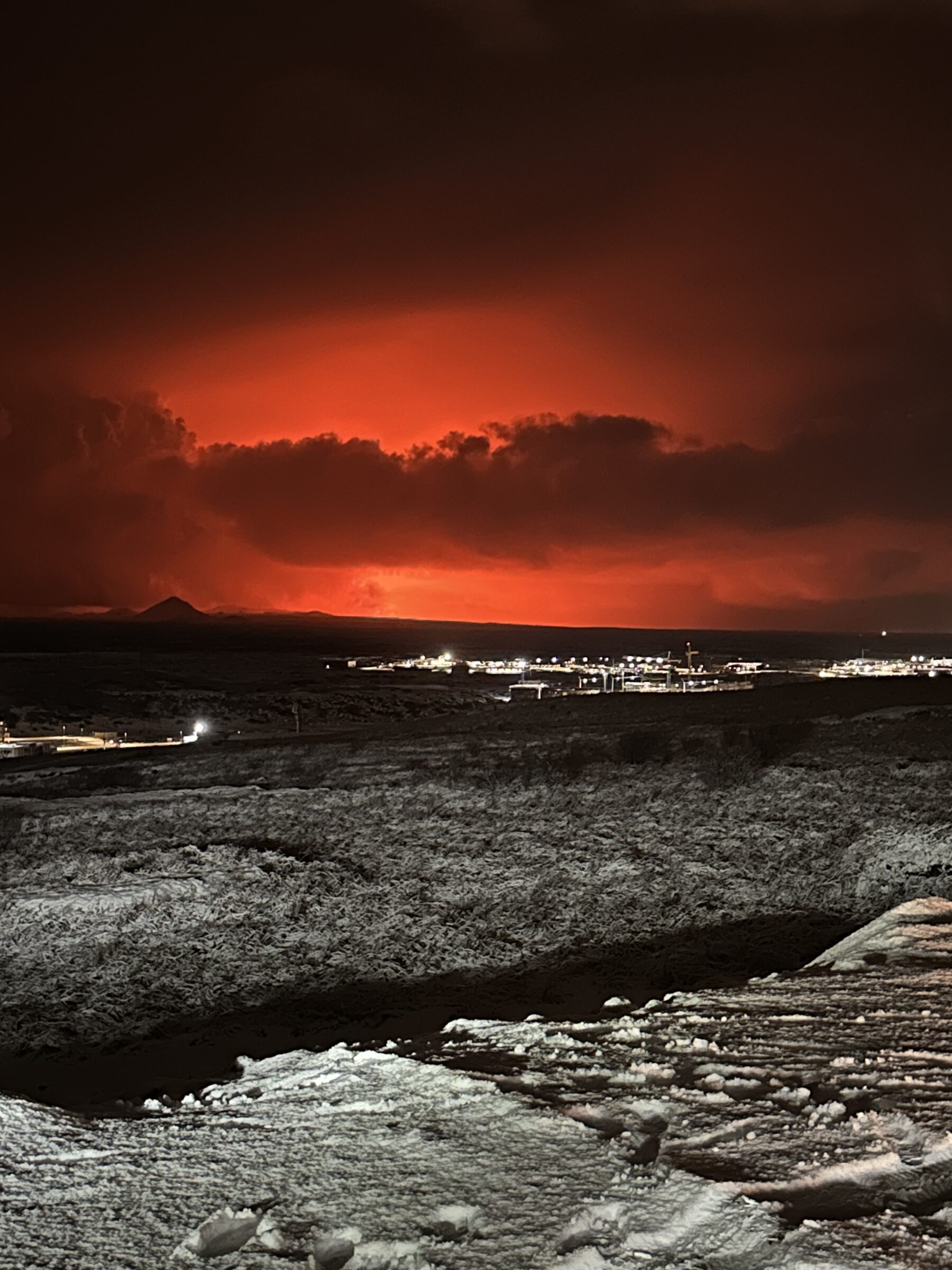
Volcanic eruptions in Iceland are in average around 20 every century, which means that volcanic eruption occurs every 4 to 5 year. Why do we have so many volcanic eruptions in Iceland? This is because of the location of our island in the North Atlantic Ocean. The Mid-Atlantic ridge lays under our country, and we have a hot spot (magma plume) also beneath our feet. This hot spot is little by little moving towards east. Now it is under our biggest glacier in Iceland, named Vatnajökull. That area is today the most active in terms of possible volcanic eruptions.
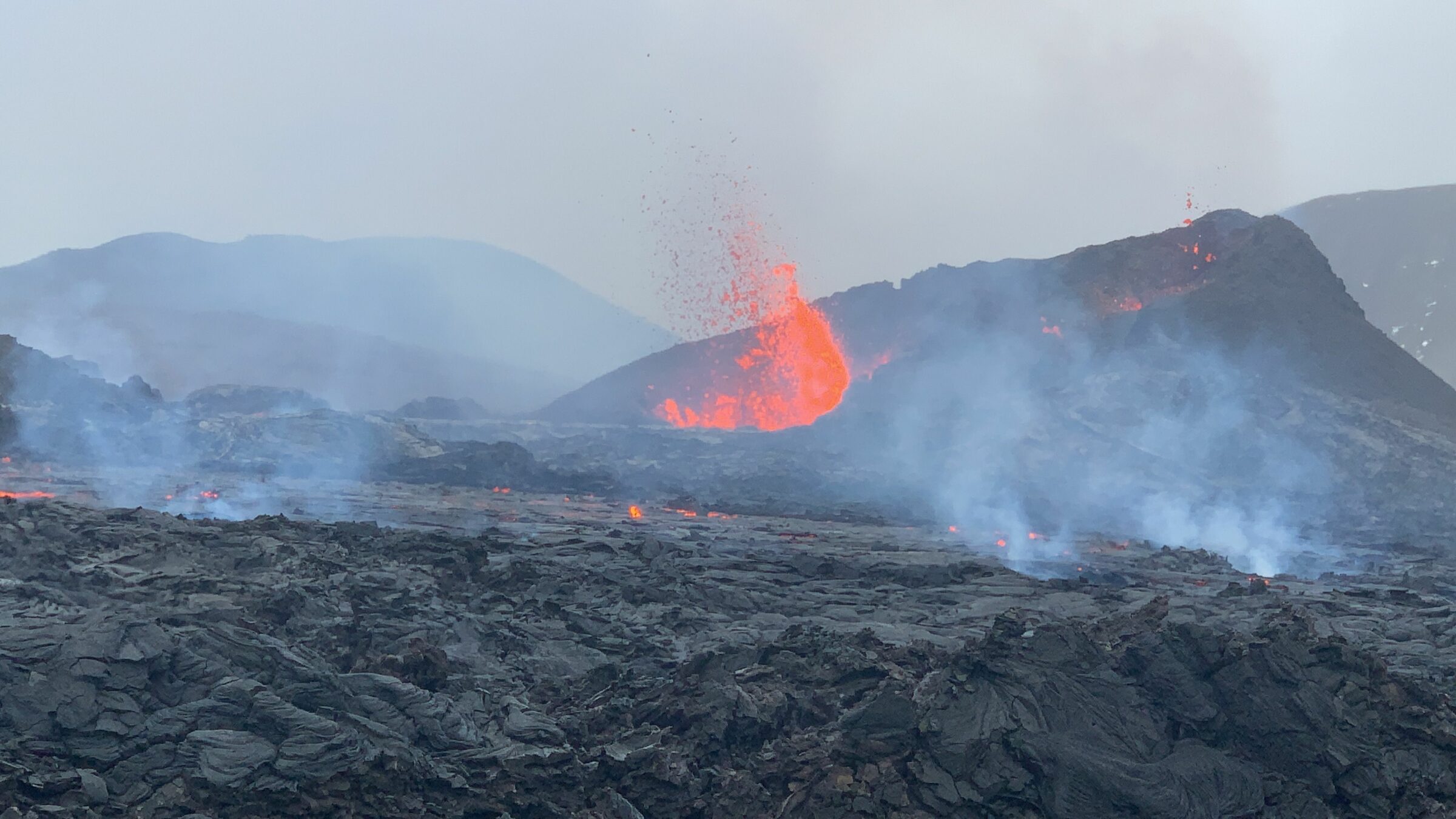
Geologist categorize volcanic eruptions in Iceland into three main types. The first is effusion eruption like Hawaii's featuring hot, freely flowing lava with "basaltic" magma. The second type, the Stromboli, involves higher acid magma and can be more explosive. The third is Vulcanian (explosive) eruptions such as the 2010 Eyjafjallajökull eruption, which occurs under a glacier or in the ocean when magma meets water. Iceland experience all of these types. But there are other more catastrophic type of eruptions called Pelée and Plinian (Tambora). In Plinian eruptions, the eruption plume can collapse and create fast, hot pyroclastic flows that rush down the volcano like an avalanche.
Finally we may experience a combination of different type of eruptions, which depends on the development of the eruption.
Iceland's history records significant eruption with the largest lava flow predating the Viking era. This was Þjórsárhraun (lava) covering 950m2 around 8700 years ago. The Vikings witnessed the massive Eldgjá eruption in 989 covering 800 km2. That eruption originated from a volcanic system named “KATLA”. The most devastating eruption occurred in Öræfajökull (the meaning of the Icelandic word "Öræfi" means "Wasteland") in 1362. It was a terrifying explosive eruption, even with a pyroclastic flow, causing widespread destruction and death of both people and livestock. The prosperous farming area became a total wasteland having destroyed about 40 farms. This eruption is also believed to be the largest Tephra eruption in the world in the last 1000 years.
The 1783 Skáftáreldar eruption, originated from the Lakagígar volcanic system, stands out as the most significant eruption in recent centuries. That caused a lot of damage, not only close to the eruptions but also further away from the origin. Lot of ash moved up in the atmosphere kilometers up, and affected European countries in the way blocking the sun from longer periods. The consequences was lost of agricultural crops. It has been said that this led to the French revolution few year later.
Twelve volcanic eruptions (Hawaiian type or fissure eruptions) have taken place at the peninsula since March 2021.